Sukkot belongs to the cycle of Shalosh Regalim (Three Pilgrimages), i.e., a group of holidays characterized in ancient times by the pilgrimage of Jews to the Temple in Jerusalem.
The Sukkah
The heart of the holiday is the sukkah — a temporary hut built under the open sky. According to tradition, it must have at least three walls and a roof made of natural materials, like branches or bamboo, with just enough space for the stars to shine through at night. The sukkah is often decorated with fruits, flowers, and handmade ornaments, turning them into festive spaces.
Living in the Sukkah
For seven days, meals are eaten inside the sukkah, and in warmer climates, many even sleep in them. Some build their own family sukkah while others take advantage of a community’s shared temporary dwelling. One of the most important aspects of the holiday is inviting guests and sharing our tables.
A Temporary Home
The sukkah is a reminder of fragility and faith — recalling when the Israelites wandered the desert, sheltered only by makeshift huts. At the same time, it is an invitation to sit together and appreciate the gifts of the harvest.
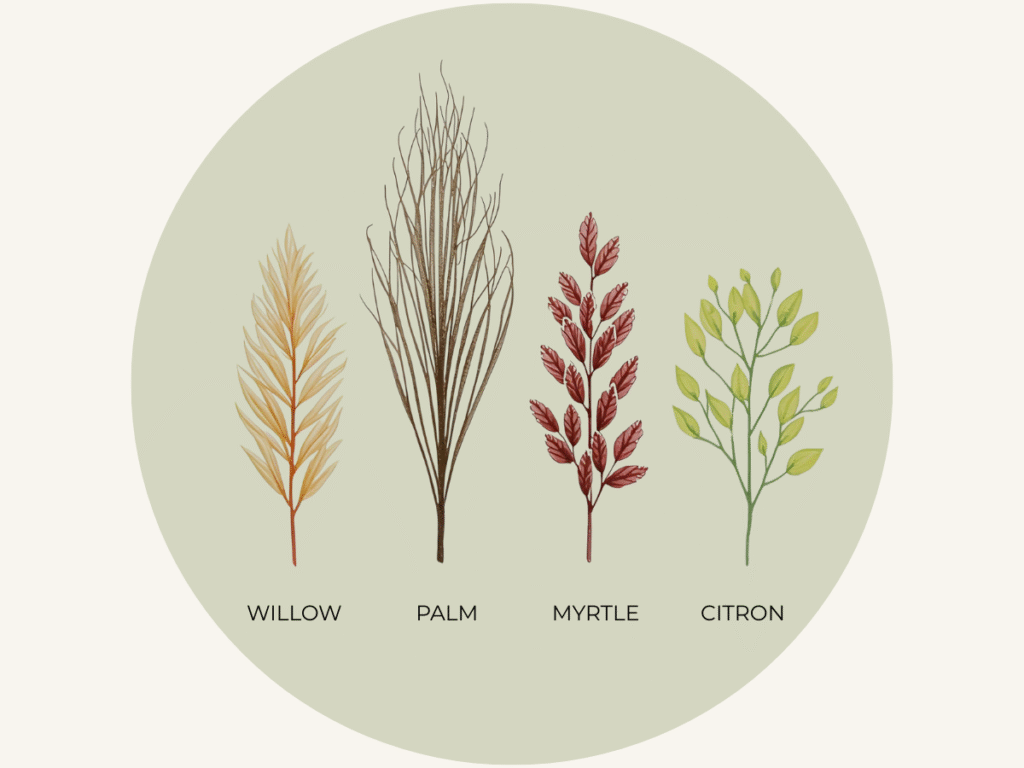
Along with the sukkah itself, the Four Species — palm, myrtle, willow, and citron — remind us of nature’s blessings and our shared roots.
Jewish religious tradition in Poland adapted to the realities and climate, as the holiday falls in the autumn. In addition to the traditional sukkot, the Polish version was called a kuczkah—a sukkah permanently attached to a residential building. Made of wood or other materials, they took the form of a built-in balcony with a retractable roof. Several kuczkas are still found in Poland.
Sukkot reminds us that what protects us most isn’t wood or stone, but connection. May this Sukkot bring warmth to your gatherings and joy to your table.